









Grow Faster, Stress Less—With AI-Powered Systems That Work For You
Unlock unstoppable business growth with automated solutions, AI-powered teams, and proven marketing strategies—so you can finally step off the hamster wheel.

This thing is unreal. Takes calls, generates appointments, sends recap emails and can even shoot follow up texts to the caller!

David Mentzel

Everyone should experience this because it takes the icky feeling out of AI and is the same as if my assistant was booking appointments.

Tiffany Brunson
So easy to setup I almost didn't even realize it had been integrated into my systems until an appointment was booked!

Angie Chase
Your Growth, Powered by Smart Solutions
Whether you need more leads, more sales, or more freedom in your day, our platform delivers. Explore our seven key solution areas, each designed to help your business thrive—no complicated tech, no endless to-do lists.=
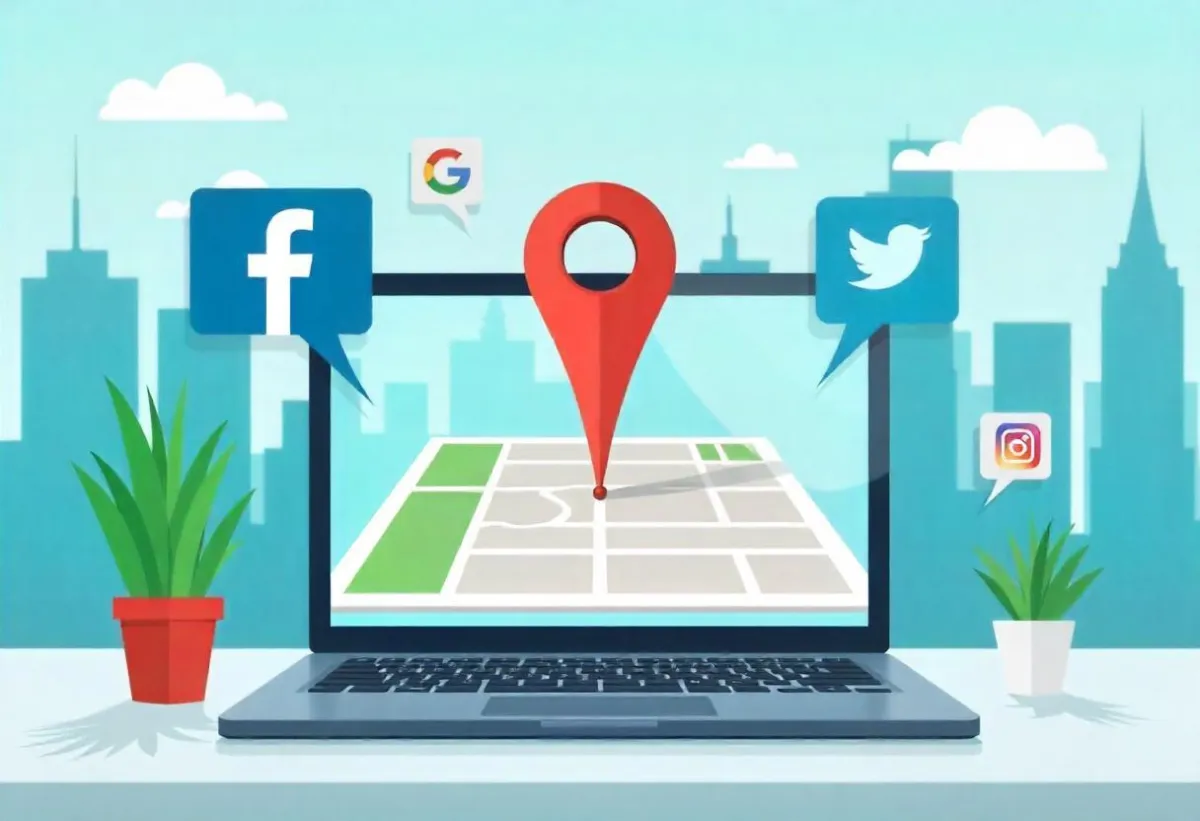
Get Found
Be where your customers are searching.

Get Leads
Turn clicks into real conversations.

Grow Sales
Convert leads to loyal buyers—automatically.

Drive Repeat Business
Stay top-of-mind, drive reorders & referrals
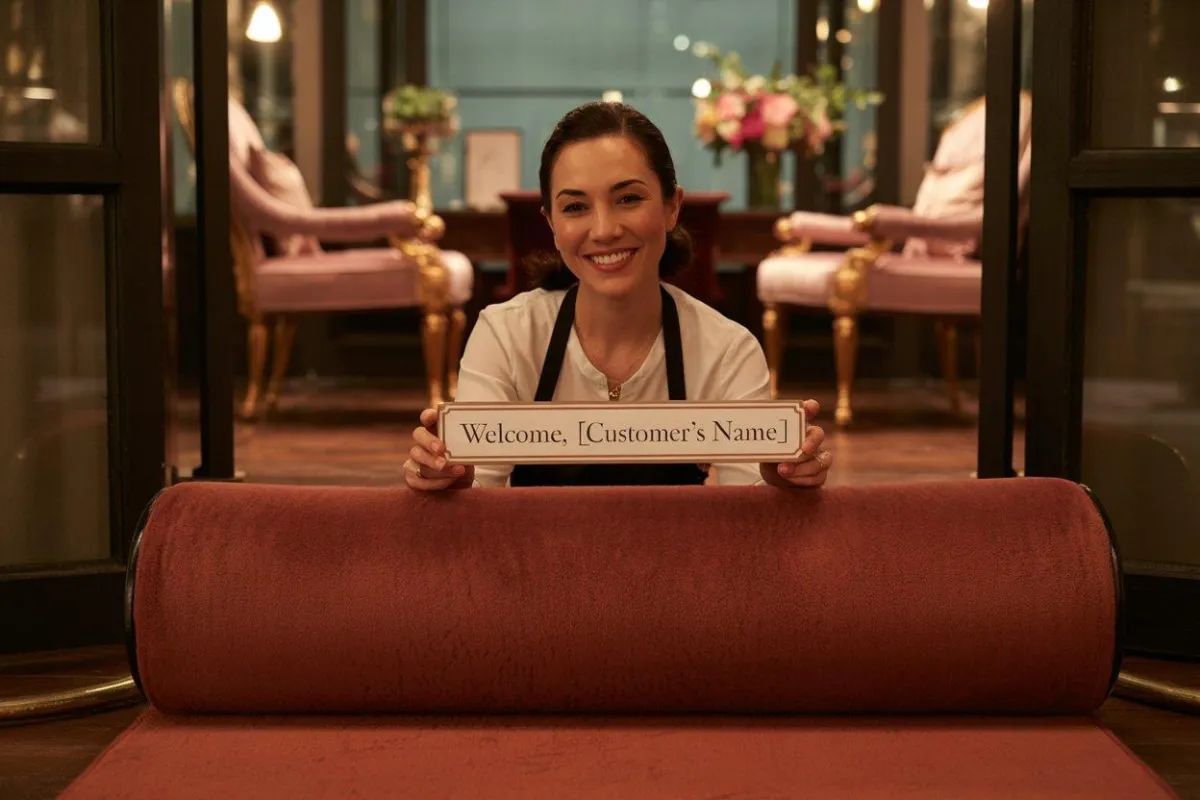
Improve Customer Service
Respond instantly, delight customers, never miss a message.

Lower Costs
Replace busywork with automation—keep more profit.

Get Off the Hamster Wheel
Systems that run your business, even when you don’t.

AI Team
AI-powered assistants that handle calls, bookings, and customer support—24/7.
Meet Your Always-On,
Always-Friendly AI Team
The smartest hires you’ll never have to interview. From answering calls and texts to chatting with customers and managing your reviews—our AI team is trained, tireless, and totally on-brand.
AI Voice Specialist
AI Chat Assistant
AI Text Concierge
AI Review Manager
AI Universal Inbox
Trusted by
Growth-Focused Businesses
See why business owners choose us to scale smarter, serve better, and finally get their lives back.
David Mentzel
Creative Director
This thing is unreal. Takes calls, generates appointments, sends recap emails and can even shoot follow up texts to the caller!
Tiffany Brunson
Project Manager
Everyone should experience this because it takes the icky feeling out of AI and is the same as if my assistant was booking appointments.
Angie Chase
Operations Coordinator
So easy to setup I almost didn't even realize it had been integrated into my systems until an appointment was booked!
Want to talk to an employee as a demo?
Try it out for yourself!
© 2026 Bigger Small - All Rights Reserved.